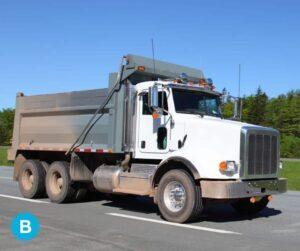

If a trucking company contacts you after a crash in Tampa, you may be caught off guard. A representative may sound helpful, ask how you are feeling, request information about the accident, or even offer to send someone to inspect your vehicle.
Before providing a detailed statement or signing anything, take a step back. A trucking company and its insurance representatives have a financial interest in understanding what happened and evaluating the potential value of a claim, so what you say after a crash can matter.
If you were injured in a collision with a commercial truck, speaking with a truck accident lawyer in Tampa can help you understand your rights and decide how to respond. At Brooks Law Group, we encourage people to focus first on their health, preserve important information, and avoid making decisions about a claim before they understand what they may be entitled to recover.
Why Is the Trucking Company Contacting Me?
There are several reasons a trucking company or its insurer may contact you after a collision. The company may be gathering information about the crash, investigating potential liability, communicating about property damage, or beginning its own claims process.
That does not automatically mean the company is acting improperly. Commercial carriers have legitimate reasons to investigate collisions involving their vehicles, and federal regulations require motor carriers to maintain certain accident-related records.
However, remember that the trucking company’s investigation is its investigation. You are not required to assume that the company’s representative has your best interests in mind simply because the person is polite, sympathetic, or describes the call as routine.
Look to Brooks!CALL US TODAY  (800) 529-3030
Should I Talk to the Trucking Company’s Insurance Company?
You should be wary of giving a recorded statement or providing a detailed account of the accident before you understand your legal rights.
An insurance representative may ask questions that appear straightforward, such as where you were going, how fast you were traveling, what you saw immediately before the collision, or whether you were hurt. Even an honest answer can sometimes be taken out of context when an insurer evaluates responsibility or damages.
You also may not know the full extent of your injuries immediately after a truck crash. Research examining truck-involved collisions has found that the factors affecting injury severity can be complex, including characteristics involving the crash, vehicle, driver, roadway, and surrounding circumstances.
Look to Brooks!CALL US TODAY (800) 529-3030
Do I Have to Give a Recorded Statement?
A request for a recorded statement deserves careful consideration. You generally should not feel pressured to immediately agree to a recorded interview simply because a trucking company or insurance adjuster asks.
A recorded statement creates a permanent record of what you said. If you later remember additional details, discover an injury that was not apparent immediately after the crash, or understand the collision differently after reviewing evidence, an early statement may become part of the insurance company’s evaluation of your claim.
Before agreeing to a recorded statement, consider talking with a truck accident lawyer in Tampa. An attorney can help determine what information should be provided, to whom it should be provided, and whether the circumstances call for a more formal response.
Click to contact our FAQs today
What If They Ask Me to Sign Something?
Do not sign documents you do not fully understand.
After a truck accident, you may receive paperwork involving a vehicle inspection, medical records, authorization forms, releases, settlement offers, or other matters. The document may appear routine, but signing it could have consequences that are difficult to reverse.
A release, for example, can potentially affect your ability to pursue additional compensation depending on its language and the circumstances. If you are unsure what a document means or what rights you may be giving up, have it reviewed before signing.
Complete a Free Case Evaluation form now
What If the Trucking Company Wants to Inspect My Vehicle?
A trucking company or insurer may want access to your vehicle after a collision. That request should be handled carefully because the vehicles involved in a crash can contain important evidence.
Photographs of the damage, repair estimates, vehicle components, crash-scene evidence, and other physical information may help establish how a collision occurred. In a commercial truck case, evidence may also involve the truck itself, the trailer, cargo, maintenance history, driver information, and company records.
This is one reason you should avoid having your vehicle repaired, altered, or disposed of before important evidence has been documented whenever reasonably possible. If your vehicle must be repaired because it is unsafe or necessary for transportation, document the damage thoroughly and keep copies of repair records and photographs.
What Information Could Matter in a Tampa Truck Accident?
Truck accident cases can involve more evidence than a typical passenger-vehicle collision. Depending on the circumstances, an investigation may examine the driver’s actions, the trucking company’s practices, the condition of the vehicle, and the circumstances surrounding the delivery or trip.
Potentially relevant information can include driver logs, inspection records, maintenance documentation, electronic records, photographs, witness statements, employment information, cargo information, and other records connected to the truck and its operation. Federal Motor Carrier Safety Administration guidance specifically addresses accident-related documentation that motor carriers must maintain.
The precise evidence needed depends on what happened. A truck accident lawyer in Tampa can investigate the circumstances and identify the types of information that may be important to your particular claim.
Why Can Truck Accident Cases Be More Complicated?
A collision with a commercial truck can involve multiple potentially responsible parties. Depending on the facts, those parties could include the truck driver, trucking company, vehicle owner, maintenance provider, cargo-related parties, or other entities.
Determining responsibility requires more than simply looking at the damage to the vehicles. A thorough investigation may need to consider how the collision occurred, whether safety requirements were followed, whether the vehicle was properly maintained, and what the available evidence shows.
Scholarly research has found that characteristics associated with trucking companies, drivers, inspections, vehicle registration, and other factors can be associated with injury severity in commercial truck crashes. That does not establish liability in any individual Tampa collision, but it illustrates why commercial truck cases can require a broader investigation.
Tampa’s Growth Means More Commercial Trucks on the Road
Tampa and the surrounding Central Florida region continue to experience substantial growth and development. The City of Tampa reports significant construction activity, including more than $3.5 billion in permitted construction projects in both fiscal years 2023 and 2024.
More homes, businesses, construction projects, deliveries, and infrastructure projects require transportation. That means commercial trucks are an increasingly familiar part of the traffic environment throughout Tampa and the surrounding communities.
The City has also identified continuing population and job growth, increasing travel demand, and growing pressure on roadway capacity as transportation-planning concerns. With more activity throughout the Tampa area, drivers share the roads with everything from delivery vehicles and dump trucks to tractor-trailers and other commercial vehicles.
Unfortunately, when a large commercial truck collides with a passenger vehicle, the consequences can be significant. Research examining truck-involved collisions has documented the importance of crash, vehicle, driver, and roadway characteristics when evaluating injury severity.
What Should I Say If the Trucking Company Calls Me?
You do not have to provide a detailed account of the collision during an unexpected phone call. You can politely explain that you are not prepared to discuss the accident at that time.
Avoid guessing about facts you do not know. If you do speak with a representative, do not speculate about speed, distance, traffic conditions, your injuries, or who was responsible simply because you feel pressured to provide an answer.
It is also wise to avoid statements that minimize your injuries. Saying that you are “fine” or that you “feel okay” immediately after a traumatic crash may not accurately describe how you feel later, particularly when symptoms develop over time.
What If They Ask How I Am Feeling?
Answering questions about your health may seem harmless, but be thoughtful about what you communicate to an insurance representative.
Some injuries may not become obvious immediately after a collision, and the effects of an accident can change over time. Your medical providers are in a better position to evaluate your health than a claims representative who calls shortly after the crash.
Instead of attempting to diagnose yourself or predict how quickly you will recover, seek appropriate medical attention and follow your healthcare provider’s recommendations. Keep records of appointments, treatment, prescriptions, expenses, and other accident-related medical information.
Should I Accept a Settlement Offer?
You should understand the full scope of your losses before deciding whether to accept a settlement.
An early settlement offer may address some immediately apparent expenses, but you may not yet know the full cost of medical treatment, lost income, property damage, rehabilitation, or other losses related to the collision. The value of a claim depends on the specific facts and available evidence.
Once you sign a settlement agreement or release, your ability to pursue additional compensation may be limited. Before accepting money or signing a release, consider having the offer reviewed by a truck accident lawyer in Tampa who can explain what the proposed agreement means.
What Should I Do If They Say Their Driver Was Not at Fault?
Do not assume that the trucking company’s version of the crash is automatically correct.
Commercial truck collisions can involve complicated questions about lane position, visibility, following distance, turning movements, braking, vehicle condition, roadway conditions, driver behavior, and other circumstances. Evidence from the scene, vehicles, witnesses, photographs, reports, and records may provide a more complete picture.
Florida also follows comparative-fault rules, meaning the circumstances surrounding each party’s conduct can matter in a personal injury action. The specific application depends on the facts and the applicable law, so an attorney should evaluate your individual situation rather than relying on a general statement about fault.
What Evidence Should I Preserve?
Start by preserving what you already have.
Keep photographs and videos from the crash scene, pictures of your vehicle, contact information for witnesses, the police or crash report, medical records, bills, repair estimates, insurance correspondence, text messages, emails, and letters from the trucking company or its insurer.
Do not delete social media posts, messages, photographs, or other information relating to the collision simply because you are concerned about how they might look. Instead, preserve the original information and discuss questions about potentially relevant evidence with your attorney.
What If I Already Spoke to the Trucking Company?
Do not panic.
People often answer questions before they realize that an insurance representative may use the information to evaluate a claim. Speaking with the company does not automatically prevent you from pursuing a claim or seeking legal advice.
Write down what you remember about the conversation while it is still fresh. Include who contacted you, the date and time, the company or insurance carrier involved, what questions were asked, what you answered, and whether you were asked to provide additional information or sign anything.
What If I Already Signed Something?
If you have already signed a document, keep a copy and have it reviewed.
Do not assume that you have lost your rights simply because you signed paperwork after the accident. The legal effect of a document depends on what it says, the circumstances under which it was signed, and the nature of your claim.
If you received a release, authorization, settlement agreement, or other document from the trucking company or its insurer, bring the document with you when you speak with an attorney. The sooner you understand what you signed, the sooner you can determine what steps may remain available.
How Long Do I Have to Take Legal Action in Florida?
Do not wait until the deadline is approaching to investigate a truck accident claim.
Florida’s statute of limitations has changed over time, and the applicable deadline depends on the type of claim and the circumstances involved. Under the current Florida statutes, actions founded on negligence generally are subject to a two-year limitations period, although exceptions and other rules can apply.
There may also be practical reasons to begin investigating much earlier. Witness memories can fade, physical evidence can change, vehicles may be repaired, and records can become more difficult to obtain as time passes.
When Should I Contact a Truck Accident Lawyer in Tampa?
You do not have to wait until the trucking company’s insurance adjuster makes an offer before seeking legal guidance.
Consider contacting a truck accident lawyer in Tampa if you suffered significant injuries, missed work, face substantial medical bills, believe the truck driver or company may have been responsible, or are uncomfortable dealing with the trucking company’s representatives yourself.
Early legal involvement can also allow your attorney to begin identifying and preserving evidence while the details of the collision are still fresh. The goal is not to make the process more complicated; it is to help you understand your options before making decisions that could affect your claim.
How Brooks Law Group Can Help After a Tampa Truck Accident
At Brooks Law Group, we understand that a serious truck collision can leave you dealing with much more than vehicle damage. You may be trying to recover physically while also managing medical appointments, missed work, insurance calls, repair issues, and uncertainty about what happens next.
Our approach begins with listening to what happened and learning about the circumstances surrounding your crash. From there, our team can help investigate the accident, identify potentially responsible parties, communicate with insurance representatives, and pursue compensation when the facts and law support a claim.
You do not have to figure out what to say to the trucking company on your own. If you were injured in a Tampa-area truck accident and the trucking company or its insurer has contacted you, contacting Brooks Law Group for a consultation can help you understand your options and what steps may make sense for your situation.
Frequently Asked Questions
Can the trucking company contact me after a crash?
Yes. A trucking company, its insurer, or a representative may contact you as part of an investigation or claims process. You should be cautious about providing recorded statements, signing documents, or discussing the full details of your injuries before understanding your rights.
Should I talk to the truck driver’s employer?
You can choose how you respond to communications from the trucking company. If you have suffered injuries or are considering a personal injury claim, speaking with a truck accident lawyer in Tampa before providing a detailed statement can help you make an informed decision.
Can I refuse to give a recorded statement?
Whether a particular statement is required can depend on the circumstances and the applicable insurance policies or legal obligations. If a trucking company or insurer requests a recorded statement, consider obtaining legal advice before agreeing to participate.
What if the insurance company says the accident was my fault?
An insurance company’s position is not necessarily the final determination of what happened. Preserve your evidence and obtain advice about the circumstances of the crash before accepting an insurer’s conclusion about responsibility.
What if I was not seriously hurt?
You should still pay attention to your health and seek medical attention when appropriate. Some accident-related symptoms may not be immediately apparent, and documenting your condition can be important if problems develop later.
Should I post about my truck accident on social media?
Use caution. Social media posts, photographs, videos, and comments can potentially become relevant to a disputed claim, so it is generally wise to avoid discussing the details of your accident or injuries publicly while your claim is being evaluated.
Talk to a Truck Accident Lawyer in Tampa Before You Respond
When a trucking company contacts you after a Tampa accident, you do not have to make an immediate decision simply because someone is asking for an answer.
Take time to understand who is contacting you, preserve your evidence, follow your medical care, and be cautious about recorded statements, releases, and settlement offers. A truck accident lawyer in Tampa can review the circumstances of your collision and explain the legal options available based on the facts of your case.
Brooks Law Group offers a free initial consultation and handles personal injury cases on a contingency-fee basis, meaning you do not pay attorney fees upfront and there is no fee unless your case is resolved. If you have been injured in a truck crash in Tampa or the surrounding Central Florida area, you can contact Brooks Law Group to discuss what happened and learn what steps may be appropriate for your situation.
Call or text (800) 529-3030 or complete a Free Case Evaluation form