
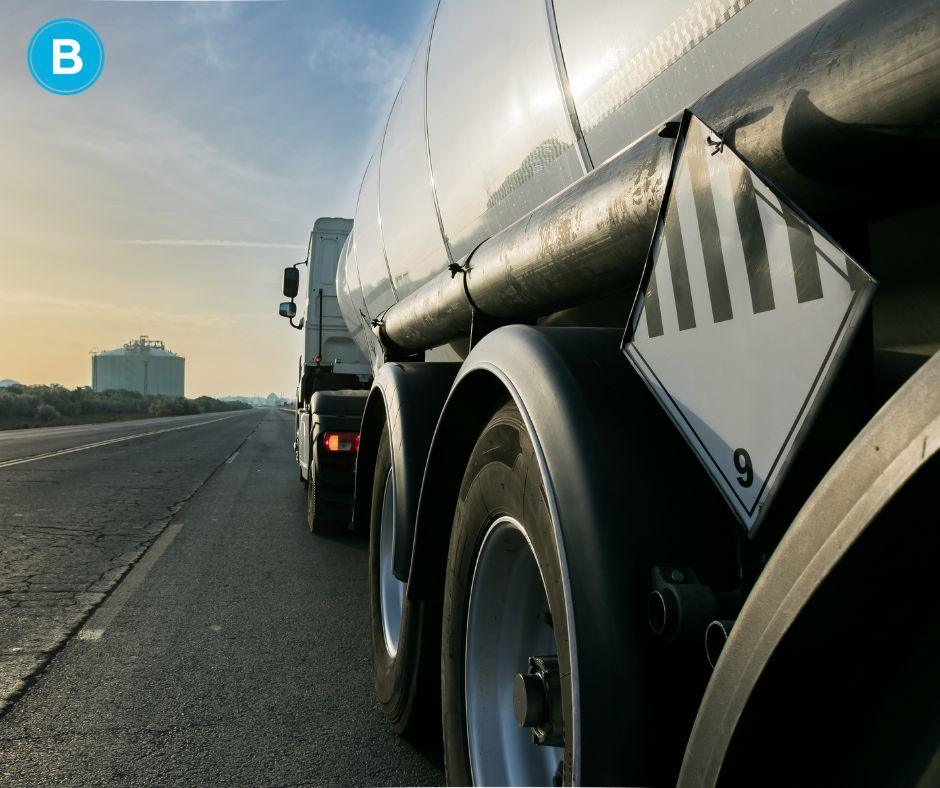
Being hit by a tanker truck can be a frightening and overwhelming experience. Tanker trucks are much larger and heavier than passenger vehicles, and when they carry fuel, chemicals, or other hazardous materials, a crash can create additional risks beyond the initial collision.
If you were injured in a tanker truck crash in Tampa or the surrounding Central Florida area, knowing what to do next can help protect your health, your rights, and your potential claim. A truck accident lawyer in Tampa can also help you understand who may be responsible and what evidence may be necessary to pursue compensation.
Why Are Tanker Truck Crashes Different From Other Truck Accidents?
Tanker trucks transport liquids, gases, chemicals, fuel, and other materials throughout Florida. Their cargo can affect how a truck handles, how quickly it can stop, and what happens when the truck overturns or suffers significant damage.
A tanker may also carry hazardous materials that can create fire, explosion, chemical exposure, or environmental hazards after a crash. Research examining tanker truck disasters found that many serious incidents began with collisions or rollovers, highlighting the importance of taking appropriate precautions around a damaged tanker.
The circumstances of your crash matter. Whether the tanker rear-ended your vehicle, changed lanes into you, overturned, lost control, or spilled its cargo, an investigation should look beyond the visible damage to determine why the crash occurred.
Look to Brooks!CALL US TODAY  (800) 529-3030
Why Are There So Many Trucks on Tampa-Area Roads?
Tampa Bay and the surrounding Central Florida region have experienced substantial population, commercial, and industrial growth. More residents, businesses, warehouses, distribution centers, construction projects, and visitors mean more goods have to move throughout the region.
That growth has increased the importance of trucking throughout Tampa Bay. Regional transportation planning identifies trucks as the primary way freight moves through the Tampa Bay area, with truck freight expected to account for much of the region’s future freight growth.
For drivers, this means sharing busy roads and highways with more commercial vehicles. Interstate 4, Interstate 75, Interstate 275, the Selmon Expressway, and other major routes serve both commuters and commercial traffic, creating more opportunities for passenger vehicles and large trucks to interact.
Look to Brooks!CALL US TODAY (800) 529-3030
What Should I Do Immediately After a Tanker Truck Crash?
Your first priority should be safety and medical care. If you can safely do so, move away from traffic and any leaking substance, smoke, fire, or other apparent hazard, and call 911.
Do not approach a damaged tanker to inspect it or attempt to determine what it is carrying. If hazardous materials have spilled, emergency personnel may need to establish a safety perimeter before allowing people near the scene.
If you are physically able, document the crash from a safe location. Take photographs or video of your vehicle, the tanker, the roadway, traffic signals, road conditions, visible skid marks, debris, and any other details that may help explain what happened.
Click to contact our FAQs today
Should I Get Medical Treatment Even If I Feel Fine?
Yes. Some injuries do not become obvious immediately after a serious collision. Adrenaline and shock can temporarily mask pain, while certain soft-tissue, head, neck, and back injuries may develop or become more noticeable hours or days later.
Seeking medical attention creates an opportunity for a healthcare professional to evaluate you and document your condition. Follow your provider’s recommendations and keep records of appointments, prescriptions, treatment, restrictions, and expenses.
Do not assume that feeling okay immediately after the crash means you were not seriously injured. Research on large-truck crashes has found that certain crash and driver-related factors can be associated with greater injury severity, making appropriate medical evaluation particularly important after a collision involving a large commercial vehicle.
Complete a Free Case Evaluation form now
Who May Be Responsible for a Tanker Truck Crash?
Determining responsibility in a tanker truck crash can be more complicated than determining fault in an ordinary car accident. The truck driver may be responsible if unsafe driving, distraction, impairment, speeding, fatigue, or another negligent behavior contributed to the crash.
The trucking company may also have responsibility depending on the circumstances. An investigation may need to examine hiring practices, driver training, supervision, scheduling, maintenance, and whether the company followed applicable safety requirements.
Other parties may also become relevant. Depending on the facts, potential sources of responsibility can include a vehicle owner, maintenance provider, cargo-loading company, shipper, or manufacturer of a defective truck component.
What Evidence Should Be Preserved?
Evidence can disappear quickly after a commercial truck crash. Trucking companies may possess electronic information and records that can help establish what happened before the collision.
Important evidence may include electronic logging device information, vehicle data, onboard camera footage, GPS information, driver qualification records, inspection and maintenance records, dispatch information, cargo documentation, bills of lading, and communications involving the driver or company.
Photographs and video from the crash scene can also be valuable. Nearby businesses, traffic cameras, dash cams, surveillance systems, and witnesses may provide information that is unavailable from the police report alone.
For that reason, it can be important to begin preserving evidence as soon as possible. A truck accident lawyer in Tampa can help identify potentially important records and take steps to preserve evidence before it is lost, overwritten, or discarded.
What If the Tanker Was Carrying Hazardous Materials?
A tanker carrying fuel, chemicals, or another hazardous substance can introduce additional concerns. A spill can expose people at the scene to dangerous substances and may require specialized emergency response and cleanup.
You should never attempt to clean up a spill or retrieve belongings from a damaged tanker without following instructions from emergency personnel. Leave the area if authorities direct you to evacuate, and tell first responders if you believe you may have been exposed to a substance.
From a legal perspective, the cargo itself may become an important part of the investigation. Investigators may need to determine what the tanker was carrying, how it was loaded, whether the cargo was properly secured, and whether applicable transportation and safety requirements were followed.
Can I Recover Compensation After a Tanker Truck Crash?
Potential compensation depends on the circumstances of the crash and the losses you experienced. Depending on the facts, a claim may involve medical expenses, lost income, property damage, future medical care, reduced earning capacity, and the physical and emotional effects of your injuries.
Florida’s insurance system can make the process more complicated because certain benefits and claims may depend on the type of vehicle involved, the insurance policies available, the severity of the injuries, and who was legally responsible.
A tanker truck crash may also involve multiple insurance policies and potentially multiple responsible parties. Identifying the applicable coverage and determining how those policies interact can be an important part of investigating the claim.
What If the Trucking Company or Insurance Company Contacts Me?
It is common for insurance companies to begin investigating a serious commercial vehicle crash quickly. You should be cautious about providing recorded statements, signing documents, or accepting a settlement before you understand the full extent of your injuries and potential claim.
The insurance company’s interests are not necessarily the same as yours. Its goal is generally to evaluate and resolve the claim, while you need to make sure that your medical expenses, lost income, property damage, and other losses are properly considered.
You do not have to navigate that process alone. Speaking with a truck accident lawyer in Tampa can help you understand your options before making decisions that could affect your claim.
How Long Do I Have to File a Truck Accident Claim in Florida?
Deadlines apply to personal injury claims in Florida, and the applicable deadline can depend on the circumstances of the case. Waiting too long can jeopardize your ability to pursue compensation, even when you have a legitimate claim.
Commercial truck cases can also require substantial investigation. Important evidence may come from the trucking company, driver, cargo shipper, maintenance providers, witnesses, surveillance systems, and government agencies.
That is why it is wise to begin investigating a serious tanker truck crash as soon as possible. Early action can provide more opportunity to identify evidence and determine which parties may be responsible.
How Can Brooks Law Group Help Me?
At Brooks Law Group, we understand that a serious truck crash can affect far more than your vehicle. Injuries can interfere with your ability to work, care for your family, manage everyday responsibilities, and move forward with your life.
Our team can investigate the circumstances surrounding the crash, identify potentially responsible parties, review available evidence, and work to understand the full impact of your injuries. We also understand the additional complexities that can arise when a commercial vehicle and potentially hazardous cargo are involved.
If you or someone you love has been injured in a tanker truck crash in Tampa, Central Florida, or the surrounding communities, a truck accident lawyer in Tampa can help you understand your legal options. Brooks Law Group offers a free initial consultation, and under our No Fee Promise, you do not pay upfront fees or hourly bills and owe no attorney’s fee unless your case is resolved.
Take the Next Step After a Crash in Tampa
Tampa Bay’s continued growth means commercial trucks will remain an important part of the region’s transportation network. When a tanker truck crash causes serious injuries, however, the consequences can extend well beyond the roadway and create complicated questions about evidence, insurance, liability, and compensation.
If you were injured, focus first on your health and safety. Then consider speaking with a truck accident lawyer in Tampa who can review the circumstances of your crash and help you understand your options.
At Brooks Law Group, we are here to help Central Florida families take the next step after a serious truck crash. Look to Brooks when you need an experienced legal team on your side.
Call or text (800) 529-3030 or complete a Free Case Evaluation form