
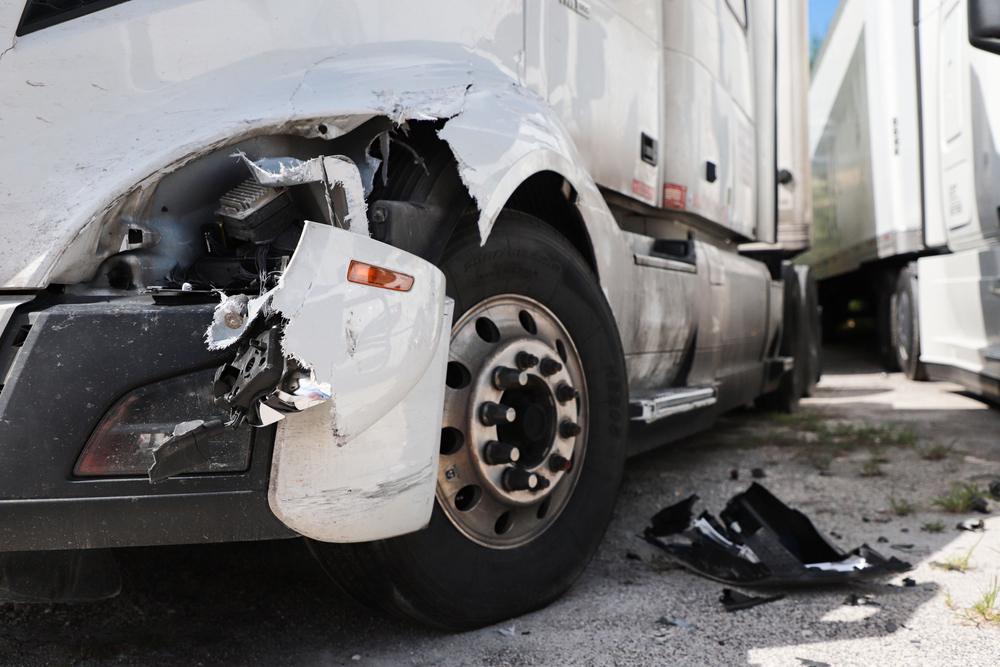
You document the scene after a truck accident by gathering photos, videos, witness contact information, and other evidence before it disappears. A commercial truck crash often involves multiple parties, federal trucking regulations, electronic records, and insurance companies that begin investigating right away.
The information collected at the scene can help support your claim later. A Tampa truck accident lawyer can use that evidence to investigate the crash, identify who may be responsible, and pursue damages for your injuries and financial losses.
Documenting the Scene After a Truck Accident Step by Step
The evidence you gather after a truck accident may help support your claim later. Your safety should always come first, so only collect information if you can do so without putting yourself at risk.
The following steps can help preserve important details before the scene changes.
Call 911 and Stay Safe First
Take care of your health before collecting accident scene evidence. If possible:
- Move to a safe location away from traffic.
- Call 911 and report the crash.
- Accept medical treatment if emergency responders recommend it.
- Wait for law enforcement to arrive unless emergency treatment requires you to leave.
The police report often becomes an important part of a truck accident claim because it may include the responding officer’s observations, witness testimonies, and details about the collision.
Take Photos of the Scene From Several Angles
Start with wide shots that show where each vehicle came to rest, then take closer pictures of the damage.
Try to capture images of the truck, trailer, license plates, company markings, roadway conditions, skid marks, debris, traffic signs, construction zones, weather conditions, and any visible injuries.
A complete set of photos can help show what the collision scene looked like before anything changed.
Record a Short Video of the Scene
A short video can capture details that still photos may miss. Slowly record the positions of the vehicles, traffic flow, road hazards, weather conditions, and damage from several directions.
If you feel comfortable doing so, briefly describe what the camera is showing as you record.
Collect Information From the Truck Driver
Exchange contact and insurance policy information with the truck driver just as you would after any traffic accident.
Write down or photograph the driver’s name, contact information, driver’s license, insurance information, trucking company name, truck number, trailer number, and any visible U.S. Department of Transportation (USDOT) number.
A photo of the company markings on the truck can help identify the correct business later.
Get Contact Information for Witnesses
Independent witnesses can provide valuable information if there is a disagreement about how the crash happened.
Ask anyone who saw the collision for their name, phone number, and email address if they are willing to share it. Your attorney can follow up with them later if more information is needed.
Make Notes Before You Forget Details
As soon as you are able, write down everything you remember about the collision for your evidence file.
Include the time, location, weather, traffic conditions, the direction each vehicle was traveling, what happened before impact, and anything the truck driver said afterward. Details that seem small at first may become valuable during the investigation.
Keep Your Medical Records and Other Paperwork
Documentation continues after you leave the accident scene. Save copies of:
- Emergency room records
- Doctor’s appointments
- Medical bills
- Prescription receipts
- Physical therapy records
- Repair estimates
- Vehicle repair invoices
- Rental car receipts
- Pay records showing missed work
These records help show how the crash affected your health and finances. You should also get a copy of the police accident report, accident report form, and other documents.
Let the Investigation Determine What Happened
After a serious truck accident, it is best to limit conversations to exchanging information and answering questions from law enforcement. Avoid guessing about what caused the crash or saying you were at fault before the investigation is complete.
Commercial truck crashes sometimes involve maintenance problems, faulty equipment, driver log violations, cargo loading issues, or other factors that are not immediately obvious.
Look to Brooks!CALL US TODAY  (800) 529-3030
Why Truck Accident Cases Often Require More Evidence
A traffic accident involving a commercial truck is usually more complicated than a car accident between passenger vehicles.
Commercial truck drivers and motor carriers must comply with federal safety regulations enforced by the Federal Motor Carrier Safety Administration (FMCSA). These rules require certain records to be created and maintained, and they may become important evidence during a truck accident investigation.
Evidence may include:
- Driver qualification records
- Hours-of-service logbooks
- Electronic logging device (ELD) data
- Truck maintenance records
- Cargo records
- Inspection reports
- Vehicle maintenance records
- Dashcam footage
- Surveillance videos
- Footage from driver-facing cameras
- GPS tracking records
- Cargo and shipping documentation
- Black box data
Some of this evidence belongs to the trucking company and may not remain available forever. Our Tampa personal injury lawyer can take steps to request and preserve evidence before it is lost.
We may send a spoliation letter, sometimes called a preservation letter, asking the trucking company to preserve evidence that could be important to the case. This proof includes electronic data, maintenance records, driver logs, inspection reports, and other relevant documents.
What Happens to the Evidence You Collect?
The photos, videos, and documents you gather after a truck accident do not simply sit in a file. They become part of the evidence your attorney reviews when investigating the crash and preparing your claim.
Photos, witness information, medical records, repair estimates, and other documents may help establish liability and demonstrate how the crash affected your health, finances, and daily life.
Our attorneys handling truck accidents will organize this evidence, obtain more records from the trucking company, and use the documentation to pursue damages for your medical expenses, lost income, property damage, future treatment, and other losses allowed under Florida law.
Click to contact our personal injury lawyers today
Mistakes That Can Hurt Your Truck Accident Claim
Small mistakes may make it harder to prove what happened later. Try to avoid:
- Leaving the scene after a truck accident without reporting the accident.
- Forgetting to photograph the vehicles.
- Throwing away damaged personal property.
- Posting details or photos about the crash on social media.
- Missing medical appointments.
- Waiting too long to speak with a personal injury lawyer.
Keeping organized records from the beginning often makes the claims process for a commercial truck accident easier.
Complete a Free Case Evaluation form now
We Will Help You Document a Commercial Truck Accident Scene
You should document the scene after a truck accident by collecting photos, records, and other evidence. These details can play an important role in your claim. Since 1992, Brooks Law Group has recovered more than $300 million for injured Floridians and brings more than 100 years of combined experience to complicated truck accident cases.
We work on a contingency fee basis, keep you informed through regular communication from your legal team and case manager, and will help connect you with medical care. Explore our case results to see examples of how we have helped clients recover damages.
When you Look to Brooks®, you have a legal team that works quickly to preserve evidence and pursue the damages you deserve from the insurance company. Call us today for a free consultation about your legal case.
Call or text (800) 529-3030 or complete a Free Case Evaluation form